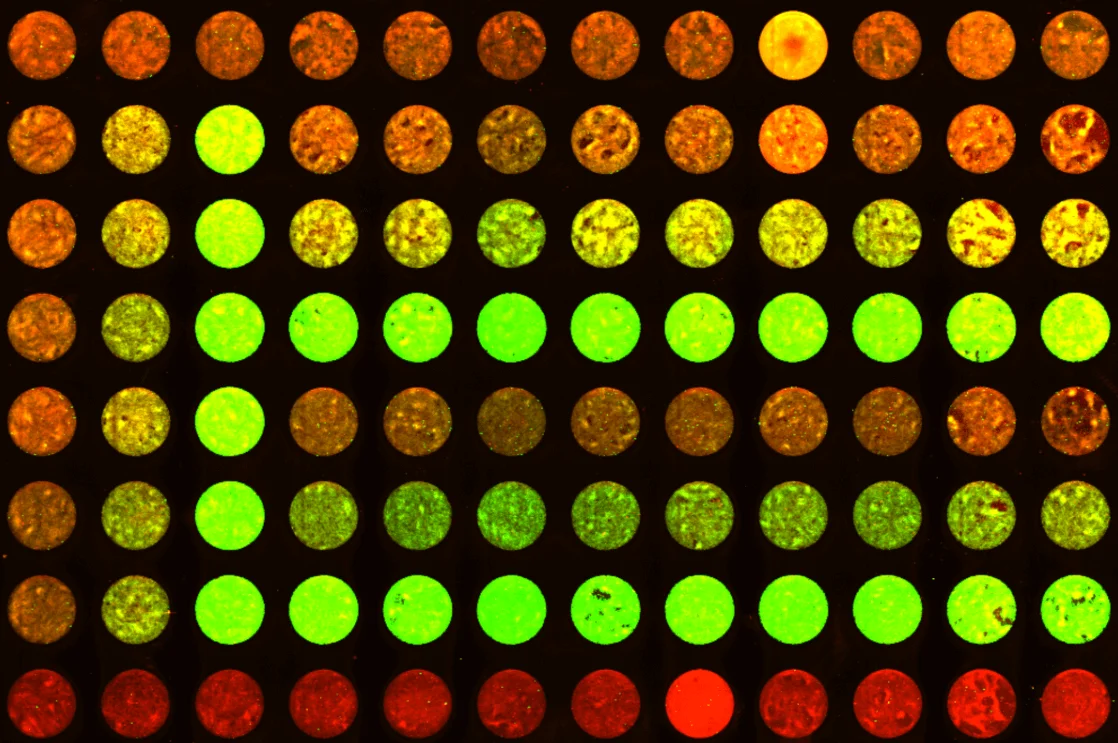
Description | Proteomics
The Proteomics Platform at the Research Institute is focused on integrating and applying advanced technologies for protein analysis. It offers a complete workflow that spans from protein separation and documentation in gels and membranes to advanced characterization and quantification, including biomarkers and nanoparticles.
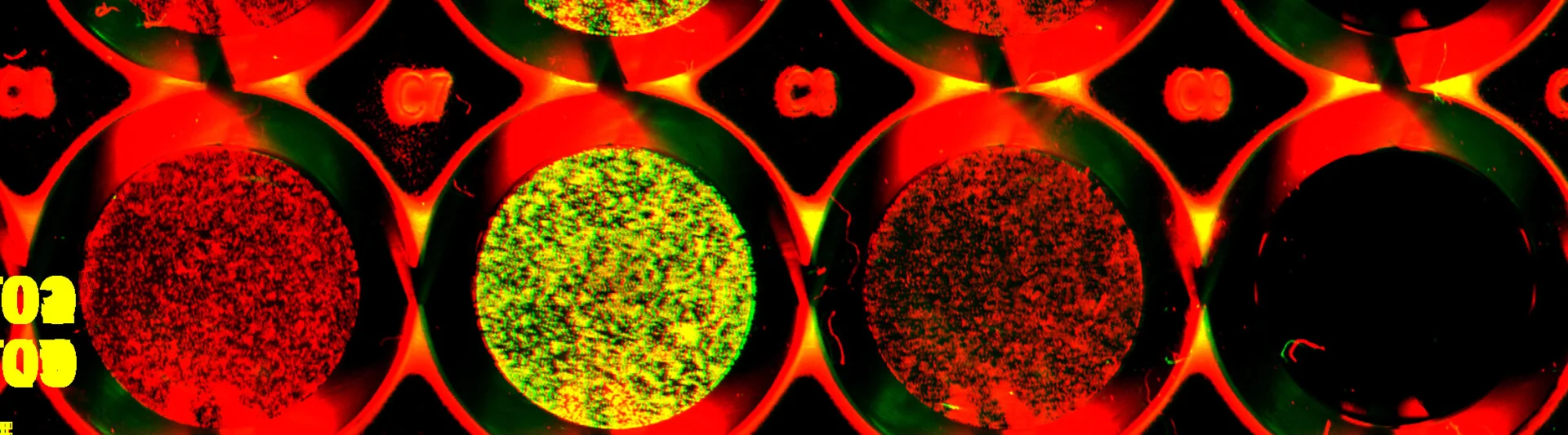
Among the most notable equipment is the LAS 4000 documentation system, designed for ultrasensitive detection and quantification of proteins via chemiluminescence in Western blots and nucleic acid gels. The FLA 9500 fluorescence scanner enables differential analysis of protein expression in gels (2D-DIGE) and fluorescent Western blots, while the Odyssey CLX and Odyssey® M scanners (LI-COR) stand out for their simultaneous detection capabilities in the near-infrared range and multimodal formats, allowing multiplexed, quantitative, and highly sensitive studies-even in samples with weak signals.
The Luminex MAGPIX system is essential for multiplexed quantification of up to 50 analytes-such as cytokines and growth factors-in a single sample, optimizing biomarker research. The Biotek Synergy H1 plate reader adds versatility by enabling absorbance, fluorescence, and luminescence measurements in microplates, making it key for functional assays and protein quantification using techniques like ELISA. Additionally, the NanoSight NS300 allows characterization and quantification of nanoparticles-such as extracellular vesicles and exosomes-providing essential information for proteomic studies of these structures.
The complementarity of these instruments offers an integrated analytical solution, enhancing sensitivity, reproducibility, and analytical capacity.
The combination of optical, fluorescence, chemiluminescence, and nanoparticle analysis technologies enables addressing complex questions in biology and biomedicine, optimizing the identification and functional characterization of molecules and protein complexes in high-value biological samples.